

Diabetic Eye Care in Southeast Texas: How Annual Exams Protect Against Diabetic Retinopathy
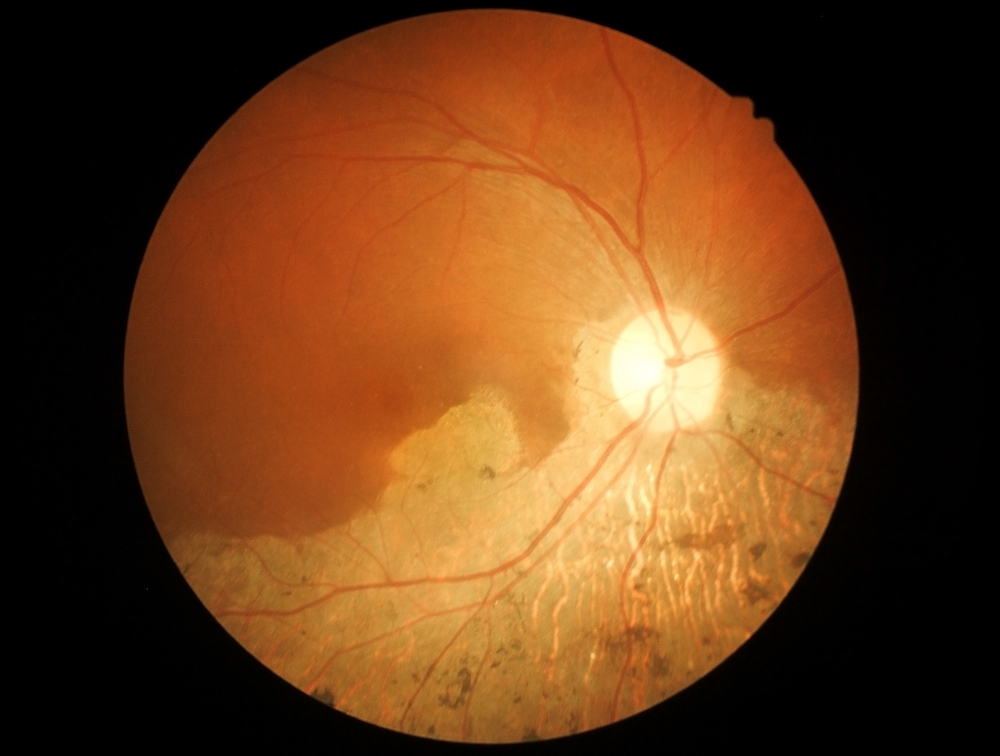
Diabetes can affect your vision long before you notice a problem. Elevated blood sugar may damage the small blood vessels that support the retina, making routine eye care an important part of managing your health. At Colony Eye Care Center, we provide comprehensive eye exams for patients in Sugar Land, Missouri City, and surrounding Southeast Texas communities, helping identify diabetic eye changes as early as possible.
How Diabetes Can Affect Your Retina
Diabetic retinopathy develops when diabetes damages blood vessels in the retina, the light-sensitive tissue at the back of your eye. These vessels may leak fluid or bleed, affecting vision over time. Diabetes can also contribute to diabetic macular edema, which involves swelling in the part of the retina responsible for sharp central vision.
Early diabetic retinopathy often causes no noticeable symptoms. You might read, drive, and work comfortably while changes are developing. This is why waiting for blurry vision is not a reliable way to protect your eyesight.
What Happens During a Diabetic Eye Exam?
During a comprehensive exam, we review your health history, check your vision, and assess the retina for signs of diabetes-related damage. A dilated retinal examination helps us look for changes that may not affect your vision yet. We may also use retinal imaging, including Optomap technology when appropriate, to document findings and compare them over time.
Regular visits allow us to monitor subtle changes, discuss your results, and recommend further testing or referral to a retinal specialist when needed. Early detection can help patients receive timely treatment and reduce their risk of significant vision loss.
Everyday Steps That Support Diabetic Eye Health
Along with regular eye exams, several habits can help lower the risk of diabetic eye complications:
· Work with your healthcare team to manage blood sugar and A1C levels.
· Keep blood pressure and cholesterol within the targets recommended for you.
· Attend scheduled diabetic eye exams, even when your vision seems normal.
· Tell us about new blurry vision, floaters, or changes in how you see.
· Share updates about your diabetes medications and overall health at each visit.
These steps support long-term eye health but do not replace a comprehensive retinal evaluation.
When Should You Schedule Your Next Exam?
Adults with type 2 diabetes should receive a comprehensive dilated eye exam at diagnosis. Adults with type 1 diabetes generally begin screening within five years of diagnosis. Annual follow-ups are common, but some patients with consistently normal results and well-controlled diabetes may be advised to return every one to two years. More frequent visits may be necessary when retinopathy is present or progressing.
Do not wait for your next scheduled visit if your vision changes unexpectedly. Sudden vision loss, a new shower of floaters, or a dark curtain across your vision requires urgent medical attention.
Schedule your next diabetic eye exam with Colony Eye Care Center in Sugar Land, TX, at (281) 265-2020 or Missouri City, TX, at (281) 369-4583 to give your vision the ongoing attention it deserves.


© 2026 Colony Eye Care Center. All Rights Reserved. Accessibility Statement | Privacy Policy | Sitemap
Powered by:
